Isopods and Springtails in Terrariums and Vivariums - A Care Guide - The Essentials
When it comes to bioactive clean-up crews, there’s nothing better than the tag-team duo
that is isopods and springtails. They work together to keep the terrarium clean, and they help to enrich and aerate the substrate for the benefit of your plants.... or clean up the mess left behind by your pet in their Vivarium.
Overview

A bioactive terrarium or vivarium is one that uses micro fauna (i.e. tiny insects)
and microflora (i.e. microbial organisms) to regulate the environment. Just as nature has its ways to recycle decaying plants and organic matter, a bioactive setup should achieve the same, albeit on a much smaller scale. Isopods and springtail work both independently and synergistically. Either insect is a good choice on their own – but together, they’re stronger.
When it comes to choosing your bioactive bugs, isopods and the springtails make a great team because you can combine the advantages and properties of different species to create the healthiest self-sustaining environment. Finally, all the nutrients that they consume are released back into the substrate via their fertilizing faeces (also known as “frass”).
Keep reading for more information on:
Springtails
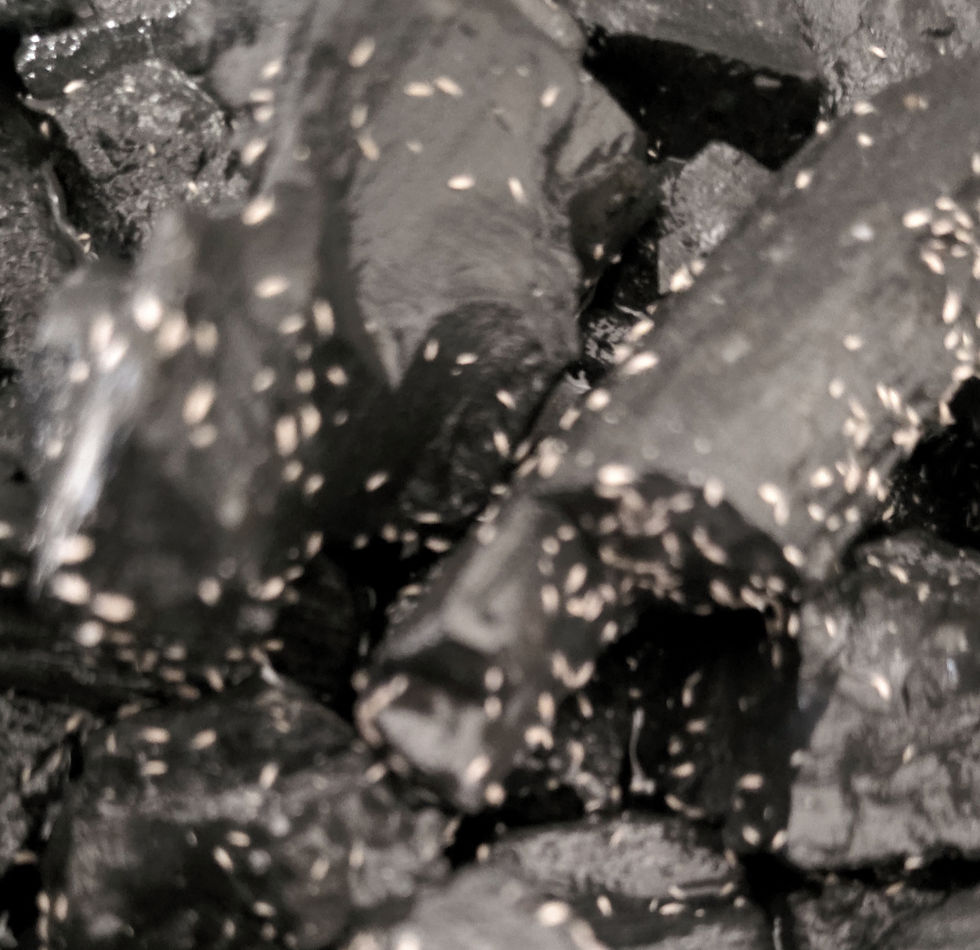
The primary purpose of springtails in terrariums is mould control. Realistically, mould is going to be an ongoing issue, particularly in a w
arm and humid terrarium or Vivarium... but springtails love to eat it. Springtails eat all kinds of mould, fungus, and spores – helping to keep any outbreaks under control and often stopping them before they even get started (which is why we recommend them in all terrarium and vivarium setups).
Transfering and caring for your new Springtail colony
Transfer - Tip the delivery container, including the damp sphagnum moss straight into their new habitat.
Leave the delivery container in your habitat until all springtails have relocated. If this is not an option, ‘float’ the springtails in dechlorinated (bottled or boiled and cooled) water.

WATER - Springtails require their environment to be quite damp- drying out is by far the biggest threat to the colony's existence. They do not require a water dish. In a vivarium, you may occasionally find springtails floting on the animals water bowl, but this is fine, they will not drown.

HABITAT - Ensure that sufficient bioactive materials in place good substrate and leaf litter. Sunlight, but not direct sunlight, keep at room temperature or the current temperature of your vivarium or terrarium.

FOOD - Supplementation of diet with a pinch or 2 of Natural yeast flakes (provided free with all Springtail purchases) or a couple of grains of rice (for the mould it will quickly attract) can be of benefit initially until they establish themselves.

EXCESS FOOD / MOULD - Don’t clean away mouldy food too fast (unless there is an excess) as this is the springtails favourite food.

HANDLING - You CAN NOT handle your Springtails; they are far too small and fragile for our human fingers but they are great fun to watch - they really do spring!
Key Characteristics of Springtails:
Size: Springtails are usually less than 6 mm in length, making them nearly invisible to the naked eye.
Jumping Mechanism: They have a unique ability to jump using a specialized appendage called a furcula, which allows them to escape predators quickly.
Diet: Springtails primarily feed on fungi, bacteria, and decaying plant material as it moulds.
History: Springtails / Collembola are among the most ancient hexapods

Isopods

Isopods are the great recyclers of a bioactive setup; they will eat and break down decaying organic material (commonly known as detritus).The burrowing nature of isopods also helps to aerate any substrate that they end up tunnelling through. So, as you might imagine, having a healthy colony of isopods in a terrarium can really keep that substrate soft and tilled. The Isopod’s environment needs to be kept damp but not too wet. If you haven’t placed your isopods into a bio active setup yet, you will need to supply them with food. The provided food (Cichlid fish food) is an easy to obtain and relatively inexpensive way to supplement the food of the Isopods. You should also provide them with them with plentiful leaf litter which will provide them with the bulk of their nutrition. They leaf litter should be from deciduous hardwood trees and sterilised before placing in the enclosure. Chunks of 'clean’ hardwood and limited food scraps are also beneficial. Follow the steps below to get your colony up and running.
Transfering and caring for your new Isopod colony
Transfer - Tip the delivery container, including the damp sphagnum moss straight into the new habitat. You can tap the container to evict any uncooperative Isopods!
WATER / HUMIDITY - The enclosure should be damp, but not wet. Sphagnum moss should be used for sub straight at one end of the container and should sprayed more to keep a ‘wet end’ of the container damp. The isopods can then roam into the humidity area they prefer. Your insects do not need a water dish and will likely drown in an animals water bowl in a vivarium. Your colony should be able to cope with some natural attritian, but you may need to change your set up a little to make it harder for them to access the dish if you find too many expired in water!
HABITAT - Have sufficient bioactive materials in place, a good substrate and plentiful leaf litter. Provide hides like a larger piece of wood or bark.

FOOD - If your Isopods are in a terrarium or Vivarium, other than adding a pinch or 2 of Cichlid fish food (provided free with all isopod purchases) to help them establish initially would be advantageous, then they should take care of themselves. Leaf litter will form a large

part of their diet. You can further supplement their diet with a small amount of vegetables like mushroom, sweet potato. Tinned Sardines (no added salt) or meal worms which are a good source of protein and Calcium. You should avoid letting food mould in the habitat – unless you are teaming them with springtails who will take care of this to an extent.
LIGHT & HEAT - Natural but not direct sunlight is ok for your colony, but they generally prefer a darker area. Isopods can survive at a range of temperatures in the wild. We suggest keeping them just at your normal room temperature, with no additional specific heating or

lighting. Or the isopods will be happy in the current temps you have in most vivariums or terrariums.

HANDLING - Handle only with EXTREME care. Isopods are small, delicate and can be easily accidently crushed. We do not recommend that you try to pick up your isopods with your fingers. If you do want to or need to handle them either let them crawl onto your hand or onto something like a spoon.

Key Characteristics of Isopods:
Body Structure: Isopods have a segmented body with a hard exoskeleton. They typically have seven pairs of legs. Some Varieties roll into balls like mini armadillosm, but others do not.
Habitat: They thrive in moist environments, making them ideal for terrariums or gardens.
Diet: Isopods are detritivores, meaning they feed on decomposing organic matter, which helps recycle nutrients in the ecosystem.
Common Names: Woodlouse, Slater, Pill Bug, Roly-Poly, Pods, Isos and many more.
Isopods can make Great Pets too!
We think that Isopods make fantastic pets for a house where you can’t have large pets or even as an office desk pet! Just like ant farms or hermit crabs, Isopods can be housed in an attractive acrylic box with soil and plants to tend and can provide hours or endless entertainment! And if you add plants, leaf litter and their springtail friends, then they will clean up after themselves. They are so easy to care for, all you have to do is feed and water your colony possibly just once a week. Isopods can survive at a range of temperatures in the wild, so they will most likely be fine in any indoor set up as long as correct moisture levels are maintained.
In a Nutshell
Caring for isopods and springtails can be a rewarding experience. By understanding their needs and creating a suitable habitat, you can enjoy observing these fascinating creatures as they contribute to a healthy ecosystem. Remember to monitor their environment regularly and adjust conditions as necessary. With a little effort, you can create a thriving home for your isopods and springtails, enhancing your Vivarium or terrarium experience.
Comments