Choosing the Right Clean-Up Crew for Your Vivarium
- greggyf13
- 1 day ago
- 4 min read
Creating a thriving vivarium is an exciting venture, but maintaining its health and cleanliness can be a challenge. One of the most effective ways to keep your ecosystem balanced is by choosing the right clean-up crew. These small creatures play a crucial role in breaking down waste, controlling algae, and ensuring that your vivarium remains a healthy environment for your plants and animals. In this post, we will explore the various options available for clean-up crews, their benefits, and how to select the best fit for your specific vivarium setup.
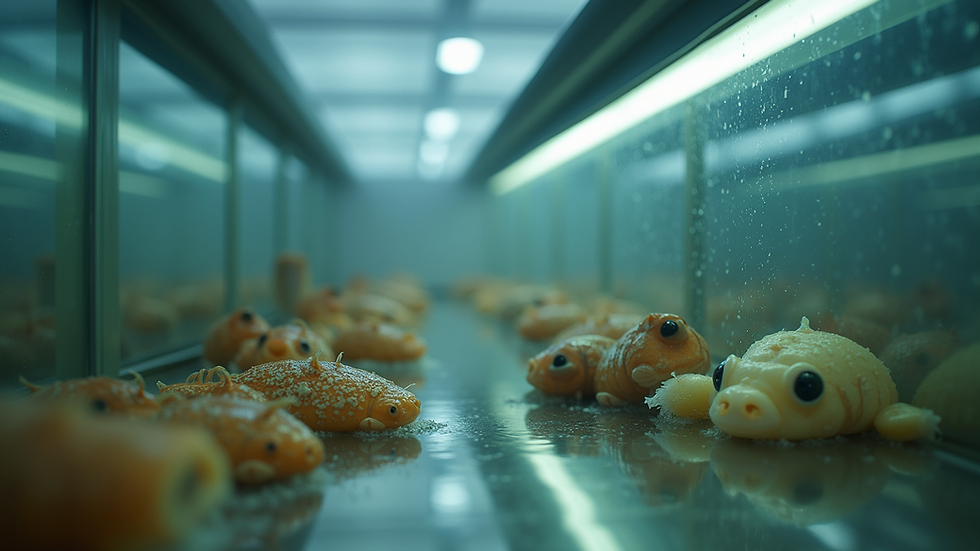
Understanding the Role of a Clean-Up Crew
A clean-up crew consists of various organisms that help maintain the cleanliness and health of your vivarium. They perform essential tasks such as:
Decomposing organic matter: Clean-up crew members break down dead plant material and waste from animals, preventing the buildup of harmful substances.
Controlling algae growth: Some species feed on algae, helping to keep your vivarium looking pristine.
Aerating the substrate: Many clean-up crew members burrow through the substrate, promoting aeration and preventing compaction.
By incorporating a clean-up crew into your vivarium, you create a more balanced ecosystem that supports the health of your plants and animals.
Types of Clean-Up Crew Members
When selecting a clean-up crew, it's essential to consider the specific needs of your vivarium. Here are some popular options:
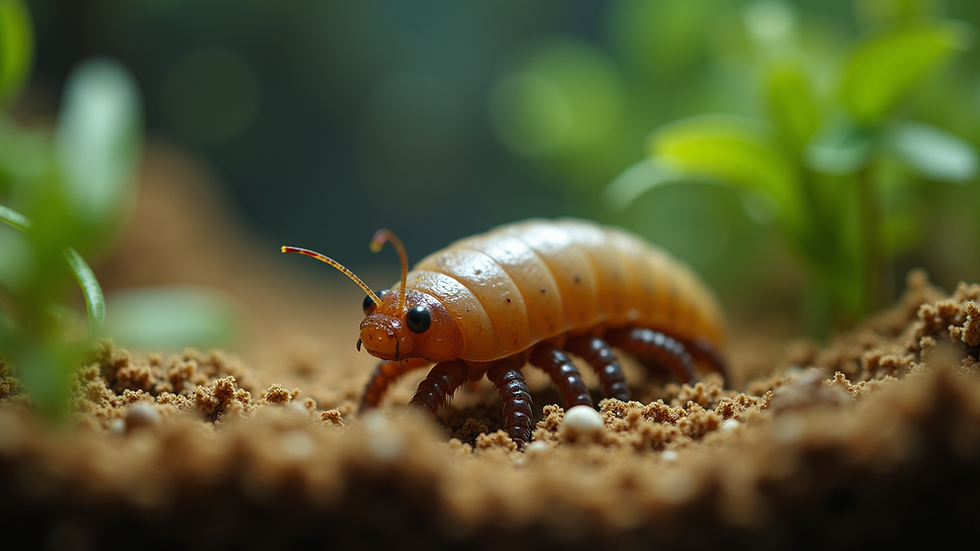
1. Isopods
Isopods, commonly known as pill bugs or roly-polies, are excellent decomposers. They thrive in humid environments and consume decaying plant matter, helping to break it down into nutrient-rich soil.
Benefits of Isopods:
They are hardy and easy to care for.
They reproduce quickly, providing a steady population.
They help maintain moisture levels in the substrate.
2. Springtails
Springtails are tiny, wingless insects that are often overlooked. They feed on decaying organic matter, fungi, and algae, making them a valuable addition to any vivarium.
Benefits of Springtails:
They are excellent at controlling algae growth.
They reproduce rapidly, ensuring a consistent population.
They are small and can thrive in various environments.
3. Earthworms
Earthworms are well-known for their ability to aerate soil and improve its structure. They consume organic matter and produce nutrient-rich castings, which benefit plant growth.
Benefits of Earthworms:
They enhance soil quality and fertility.
They help with drainage and aeration.
They can tolerate a range of conditions.
4. Snails
Certain species of snails, such as Nerite or Mystery snails, can be effective in controlling algae and cleaning up leftover food in your vivarium.
Benefits of Snails:
They are visually appealing and can add diversity to your setup.
They help keep surfaces clean by grazing on algae.
They are generally low-maintenance.
5. Crickets and Mealworms
While primarily used as food for other animals, crickets and mealworms can also contribute to the clean-up process by consuming leftover food and organic matter.
Benefits of Crickets and Mealworms:
They are easy to breed and maintain.
They provide a dual purpose as both clean-up crew and food source.
They help reduce waste in the vivarium.
Factors to Consider When Choosing a Clean-Up Crew
Selecting the right clean-up crew involves considering several factors to ensure compatibility with your vivarium:
1. Vivarium Size
The size of your vivarium will influence the number and type of clean-up crew members you can introduce. A larger vivarium may require a more diverse crew to effectively manage waste.
2. Environmental Conditions
Different clean-up crew members thrive in varying conditions. Consider factors such as humidity, temperature, and substrate type when making your selection.
3. Compatibility with Other Species
Ensure that the clean-up crew members you choose are compatible with the other inhabitants of your vivarium. Some species may prey on or compete with your clean-up crew, reducing their effectiveness.
4. Maintenance Requirements
Some clean-up crew members require more care than others. Assess your ability to maintain their needs, including food, moisture, and habitat conditions.
Setting Up Your Clean-Up Crew
Once you have selected your clean-up crew, it's time to introduce them to your vivarium. Here are some steps to ensure a smooth transition:
1. Prepare the Environment
Before introducing your clean-up crew, ensure that your vivarium is properly set up. This includes providing adequate substrate, moisture levels, and hiding spots for your clean-up crew to thrive.
2. Acclimate Your Crew
When introducing new clean-up crew members, it's essential to acclimate them to their new environment. Gradually introduce them to the vivarium by floating the container they came in on the water surface for about 15-20 minutes. This allows them to adjust to the temperature and conditions.
3. Monitor Their Progress
After introducing your clean-up crew, keep an eye on their activity. Observe how they interact with the environment and other inhabitants. If you notice any issues, such as a decline in their population or signs of stress, consider adjusting the conditions or adding more members.
Common Challenges and Solutions
While clean-up crews are beneficial, you may encounter some challenges. Here are a few common issues and their solutions:
1. Overpopulation
If your clean-up crew reproduces too quickly, it can lead to overcrowding. To manage this, consider removing some members or adjusting the conditions to slow their reproduction rate.
2. Incompatibility with Other Species
Sometimes, clean-up crew members may not get along with other inhabitants. If you notice aggression or stress, you may need to separate them or choose different species.
3. Insufficient Food Supply
If your clean-up crew is not thriving, it may be due to a lack of food. Ensure that there is enough organic matter for them to consume, and consider supplementing their diet if necessary.
Conclusion
Choosing the right clean-up crew for your vivarium is essential for maintaining a healthy and balanced ecosystem. By understanding the roles of different species and considering the specific needs of your setup, you can create an effective clean-up crew that supports the health of your plants and animals. Remember to monitor their progress and make adjustments as needed to ensure a thriving environment. With the right clean-up crew, your vivarium can flourish, providing a beautiful and sustainable habitat for all its inhabitants.
Take the time to research and select the best clean-up crew for your vivarium, and watch as your ecosystem thrives!
Comments